
If you’re planning to build a mobile app in New York City, one of the most important first steps is selecting the right development team. The success of your app depends heavily on the people responsible for building it, so understanding the hiring process before starting is important.
When hiring mobile app developers in New York, it helps to clearly define your app’s goals, target audience, and core functionality. Well-defined requirements improve communication and reduce misunderstandings during development.
Planning your budget and timeline early also makes it easier to evaluate different hiring options and avoid unexpected costs later. At this stage, businesses typically decide whether freelancers, agencies, or internal teams are the most suitable choice for the project.
New York offers a wide range of development options, from independent freelancers to full-scale app development agencies. Each option differs in pricing, technical expertise, communication style, and project management approach. Evaluating experience, technical capability, and communication is just as important as comparing costs.
This guide explains the hiring process step by step to help businesses make informed decisions when building mobile applications in New York.
Why Hiring the Right App Developer Matters?

Choosing the right developer has a direct impact on app quality, user experience, scalability, and long-term business success. In competitive markets like New York, users expect reliable performance and polished digital experiences.
Impact on App Quality & Performance
Experienced developers help ensure applications perform efficiently across iOS and Android devices. Strong development practices reduce issues such as crashes, slow performance, and security vulnerabilities.
Applications built with scalable architecture, proper testing, and optimized code generally provide a more reliable user experience and support long-term growth.
Cost vs Value Consideration
Lower-cost developers may reduce initial expenses but can lead to higher long-term costs due to maintenance issues, redesigns, delays, or technical debt. Experienced developers often contribute to:
- Faster development cycles
- Improved app stability
- Better scalability and maintainability
- Reduced post-launch issues
Investing in experienced teams often improves the overall value and lifecycle of the application.
Common Hiring Mistakes Startups Make
Some common hiring challenges include:
- Starting projects without clear requirements
- Choosing developers based only on price
- Overlooking communication and project management skills
- Failing to define scope and timelines clearly
A structured hiring process helps reduce these risks and supports smoother development.
Types of Mobile App Developers in New York
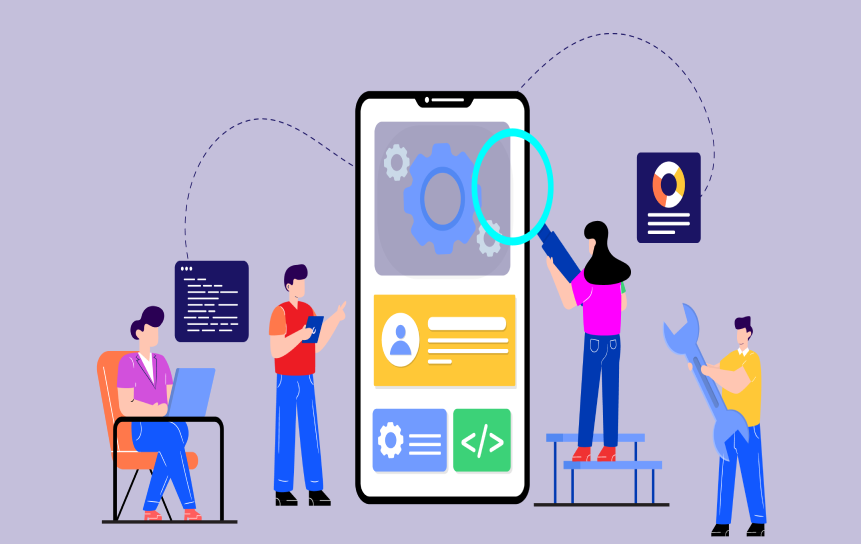
New York businesses typically choose between freelancers, agencies, and in-house teams depending on project scope and operational needs.
Freelance Developers
Freelance app developers in New York usually work independently and are often hired for smaller projects, prototypes, or feature-specific tasks.
Advantages include:
- Lower operational costs
- Flexible engagement models
- Faster onboarding for short-term work
Challenges may include:
- Limited scalability
- Less structured workflows
- Availability constraints
Freelancers are commonly used for MVPs or early-stage projects.
App Development Agencies
App development agencies in NYC provide complete teams that may include:
- UI/UX designers
- Frontend and backend developers
- QA engineers
- Project managers
Agencies typically manage the full app lifecycle from planning and design to deployment and maintenance.
Advantages include:
- Structured development processes
- Access to multiple technical skill sets
- Better scalability and support
Agencies are often selected for medium-to-large projects or enterprise applications.
In-House Development Teams
An in-house team consists of full-time employees dedicated to ongoing product development.
Benefits include:
- Direct collaboration and oversight
- Strong alignment with business goals
- Long-term continuity across projects
Challenges include:
- Higher staffing and operational costs
- Recruitment and retention responsibilities
This model is generally more suitable for companies with continuous development requirements.
Mobile App Development Hiring Guide for New York Startups

Hiring the right development team is one of the most important decisions when building a digital product. A structured hiring process helps businesses reduce risks and improve project outcomes.
Step 1: Define Your App Requirements Clearly
Before contacting developers or agencies, clearly define your application goals and technical requirements.
Break Down Your Idea into Features
Organize app functionality into categories:
Core Features (MVP)
Essential features required for launch, such as:
- User registration and authentication
- Core dashboards or interfaces
- Primary app functionality
Secondary Features
Enhancements that improve usability:
- Push notifications
- Social sharing features
- Analytics dashboards
Future Enhancements
Advanced functionality planned for later versions:
- AI-based recommendations
- Automation tools
- Advanced integrations
This structure helps developers estimate timelines and costs more accurately.
Choose the Right Platform Strategy
Platform selection affects cost, development speed, and technical approach.
Native Development
- iOS apps are commonly developed using Swift
- Android apps are commonly developed using Kotlin
Native apps generally provide stronger performance and deeper hardware integration.
Cross-Platform Development
Frameworks like Flutter and React Native allow developers to build applications for multiple platforms using a shared codebase.
Advantages include:
- Faster development
- Lower maintenance effort
- Consistent cross-platform interfaces
Cross-platform development is often selected for MVPs and startup applications.
Set a Realistic Budget and Timeline
Estimated development ranges often depend on app complexity:
- Simple MVP: 3–6 months
- Mid-level applications: Moderate complexity and integrations
- Enterprise systems: Longer timelines with advanced infrastructure
Budgets should also account for:
- Maintenance
- Hosting infrastructure
- Updates and future enhancements
- Marketing and launch preparation
Step 2: Choose Between Freelancers and Agencies
The hiring model affects project management, cost structure, and scalability.
Understanding Cost Differences
Typical development rates in New York vary by experience and team structure.
- Freelancers generally charge lower hourly rates
- Agencies typically include project management, QA, and design services within pricing
Understanding market rates helps businesses create realistic budgets.
Freelancers vs Agencies
Freelancers
Advantages:
- Lower cost
- Direct communication
- Faster decision-making
Limitations:
- Limited availability
- Reduced scalability
- Less operational structure
Agencies
Advantages:
- Complete development teams
- Structured workflows and testing
- Better long-term support
Limitations:
- Higher costs
- More formal communication structures
The best option depends on project complexity, timeline, and business goals.
Step 3: Research and Shortlist Developers
After defining requirements, businesses can begin identifying potential development partners.
Where to Find Qualified Developers
Common sources include:
- Professional directories
- Freelance platforms
- Technology communities and events
Different sources may be more suitable depending on whether the goal is hiring freelancers or agencies.
Evaluate Portfolios Carefully
Strong portfolios typically demonstrate:
- Published mobile applications
- Relevant industry experience
- Scalable technical implementations
- Consistent product quality
Live applications often provide better insight than static design samples.
Analyze Client Reviews
Reviews and testimonials help evaluate:
- Communication quality
- Reliability and responsiveness
- Delivery consistency
- Post-launch support experience
Patterns across reviews are often more valuable than isolated ratings.
Step 4: Evaluate Technical and Product Expertise
Technical evaluation helps determine whether developers can support long-term application growth.
Technology Stack Understanding
Developers should be able to explain their experience with:
- Flutter and React Native
- Swift and Kotlin
- Backend frameworks and APIs
- Cloud infrastructure and databases
Strong developers also explain why specific technologies fit a project.
UI/UX Capability
User experience plays a major role in app success.
Evaluate whether teams can:
- Design intuitive interfaces
- Understand user behavior
- Translate requirements into functional experiences
Backend and Scalability
Backend systems support app performance and scalability.
Look for experience with:
- Cloud platforms
- API architecture
- Authentication systems
- Database management
Scalable backend infrastructure becomes increasingly important as applications grow.
Step 5: Understand Pricing and Engagement Models
Cost transparency helps businesses avoid unexpected expenses during development.
Fixed Price vs Dedicated Team
Fixed Price Model
Suitable for:
- Clearly defined projects
- Stable requirements
- Predictable budgets
Dedicated Team Model
Suitable for:
- Long-term development
- Evolving requirements
- Ongoing feature expansion
Each model offers different levels of flexibility and control.
Hidden Costs to Consider
Additional costs may include:
- UI/UX design
- Hosting infrastructure
- Third-party services
- Maintenance and updates
Planning for these expenses improves budget accuracy.
Step 6: Conduct Interviews and Practical Testing
Interviews and technical evaluations help identify the most suitable candidates.
Key Interview Questions
Topics may include:
- Experience with similar applications
- Development workflows
- Testing and quality assurance practices
- Methods for handling changing requirements
Paid Test Assignments
Small paid tasks can help assess:
- Code quality
- Problem-solving ability
- Communication and responsiveness
Practical testing often provides clearer insight than interviews alone.
Communication Skills Matter
Strong communication supports smoother collaboration and reduces misunderstandings throughout the project lifecycle.
Step 7: Contracts, Scope, and Legal Protection
Formal agreements help protect both parties before development begins.
App Development Contracts and Agreements
Contracts should define:
- Project scope
- Intellectual property ownership
- Confidentiality requirements
- Timelines and deliverables
Milestones and Payment Structure
Structured milestone payments improve accountability and project visibility.
Each milestone should include clearly defined deliverables and review stages.
Step 8: Managing the Development Process
After hiring developers, project management becomes equally important.
Agile Development Workflow
Many professional teams follow Agile methodologies involving:
- Sprint-based development
- Continuous testing and feedback
- Incremental feature releases
This allows projects to adapt more efficiently during development.
Communication and Tracking
Project management tools help organize development workflows and maintain transparency throughout the project.
Performance Monitoring
Key performance areas include:
- Timeline adherence
- Bug tracking
- Feature completion progress
- User testing feedback
Regular monitoring helps identify issues before they affect launch schedules.
Cost of Hiring Mobile App Developers in New York
Freelancer Rates
Experienced freelance developers in New York commonly charge hourly rates based on specialization and project complexity.
Agency Pricing
Agencies generally charge higher rates because pricing often includes design, project management, QA testing, and maintenance support.
Cost Based on App Complexity
Project costs typically vary according to:
- App complexity
- Number of features
- Backend requirements
- Platform selection
- Scalability needs
Enterprise-level applications with advanced infrastructure and integrations usually require larger development budgets.
Common Mistakes to Avoid When Hiring Developers
| Mistake | Impact | Better Approach |
| Choosing only based on price | Can result in poor-quality development and expensive revisions | Focus on experience, communication, and technical capability |
| Ignoring communication skills | Leads to misunderstandings and delays | Evaluate responsiveness and collaboration early |
| Not defining scope clearly | Creates scope creep and budget increases | Document features, timelines, and expectations before starting |
New York vs Other Cities: Hiring Cost Comparison
Location influences both pricing and hiring approaches.
NYC vs San Francisco
Both cities offer highly experienced developers, though rates in San Francisco are often slightly higher for advanced engineering roles.
NYC vs Austin
Austin generally offers lower development rates while maintaining a strong technology talent pool.
NYC vs Remote Developers
Remote teams may reduce costs, while local New York developers often provide easier collaboration and stronger time-zone alignment.
The best option depends on project priorities, budget, and preferred communication style.
Final Thoughts
Hiring mobile app developers in New York requires careful planning, technical evaluation, and clear communication. Businesses that define their requirements early, compare multiple options, and establish realistic expectations are often better positioned for successful development outcomes.
Whether working with freelancers, agencies, or internal teams, long-term success depends on selecting developers who understand the project goals, communicate effectively, and can support scalable development practices.
A structured hiring process helps reduce risk and improves the likelihood of building a reliable, high-quality mobile application.
FAQs
-
How much does it cost to hire app developers in New York?
Development costs vary depending on app complexity, team structure, and technical requirements. Freelancer and agency pricing models differ based on expertise and included services.
-
Should I hire freelancers or agencies in NYC?
Freelancers are often suitable for smaller or clearly defined projects, while agencies are commonly selected for larger applications requiring full-service development support.
-
How long does it take to hire a developer?
The hiring process generally takes several weeks depending on project planning, evaluations, interviews, and contract discussions.
-
What skills should I look for in app developers?
Important skills include experience with modern mobile frameworks, backend development, UI/UX understanding, scalability planning, and communication.
-
Is it better to hire locally or outsource?
Local developers may provide easier collaboration and regional market familiarity, while outsourcing can reduce costs and expand access to specialized talent.


